2025 Predictions: Why Digital Touch Points Are Essential for Medication Access
Part two of Remy's 2025 predictions series - why telephonic and virtual touch points remain key to medication access and adherence for FQHCs and 340B providers.

Remy Healthcare Team
3 min read · December 17, 2024 · Updated August 11, 2026
Editor's note: This article was published in December 2024 and reflects our outlook at that time. We have kept the original analysis intact for the record. For where 340B policy stands now, see The 340B Rebate Model: What Covered Entities Need to Know.
In our first prediction, we unpacked what shifting drug classification could mean for the 340B and TPA space - and the insights were just the beginning. The evolving dynamics of healthcare policy, technology, and reimbursement models were setting the stage for a period of real change.
Here, we dive deeper into a trend that we expected to redefine how 340B providers, pharmacies, and TPAs collaborate. As regulatory pressures intensify and data-sharing innovations expand, the strategies you rely on today may not hold up tomorrow.
So, what steps should you take to help your program stay ahead? Let's explore our second prediction - and how it could change the way you think about the role of 340B and specialty pharmacies altogether.
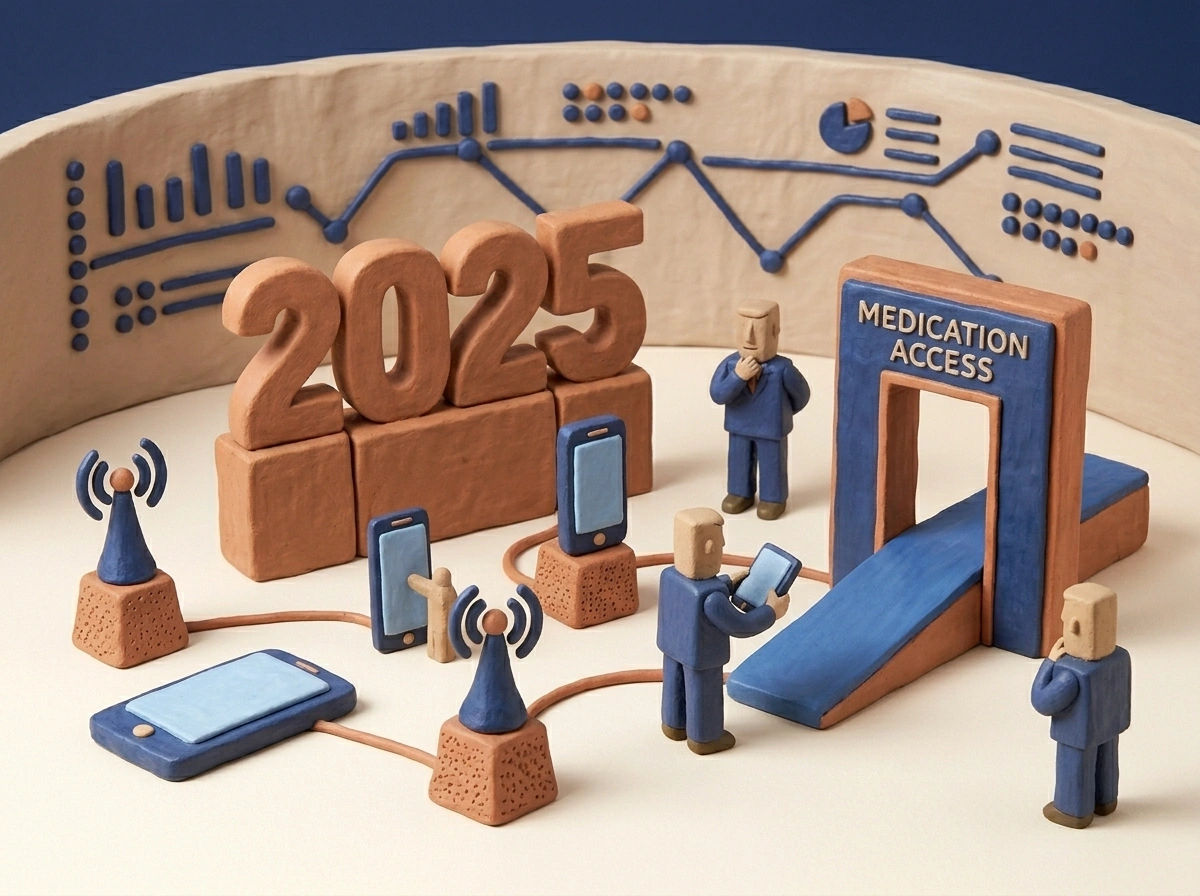
Prediction 2: Digital Touch Points Will Remain Key to Ensuring Medication Access and Adherence
In an era of telemedicine and virtual care, the importance of "telephonic touch points" in patient care cannot be overlooked - no surprise there.
But as healthcare becomes increasingly digital, maintaining personal connections via phone and webcam will continue to be a crucial aspect of advocating for patients - especially when it comes to medication access and treatment adherence.
These regular interactions can help identify potential barriers to access, offer guidance on medication adherence, and provide emotional support or referrals.
For FQHCs and healthcare centers managing complex medication regimens through infusion services or 340B discounts, meaningful phone and web consultations are an essential component of ensuring that patients receive the care they need.
Regular check-ins not only offer an opportunity to educate patients about their medications but also serve as a proactive approach to identifying early signs of non-adherence, side effects, or other issues that could hinder treatment success.
By prioritizing phone and virtual touch points, healthcare providers can maintain a high level of patient engagement while continuing to offer personalized care. This approach helps address barriers like transportation or digital access limitations, ensuring vulnerable patients still receive top-notch care and guidance, even if they can't always meet face-to-face.
No matter what role you play in the healthcare system, whether you're the front line, back office, or a consulting partner (like us!) - healthcare always comes down to people. As healthcare gets more advanced and tech-savvy, we need to remember that behind the EHR, there's a family member, a friend, and a community member who needs our help and deserves the best.
Touching On That…
Whether you're building stronger partnerships, future-proofing your technology stack, or adapting to shifting regulatory demands, staying proactive puts you in a far better position than reacting after the fact.
At Remy Healthcare, we specialize in helping healthcare providers navigate uncertainty with confidence. Reach out today to discover how we can support your organization's 340B goals.
And don't forget - there's one more in this series: Prediction 3 - why specialty pharmacies play a crucial role in patient education.
Written by
Remy Healthcare Team
340B & FQHC Specialists
The Remy team advises FQHCs and 340B covered entities on program management, infusion operations, and revenue optimization.